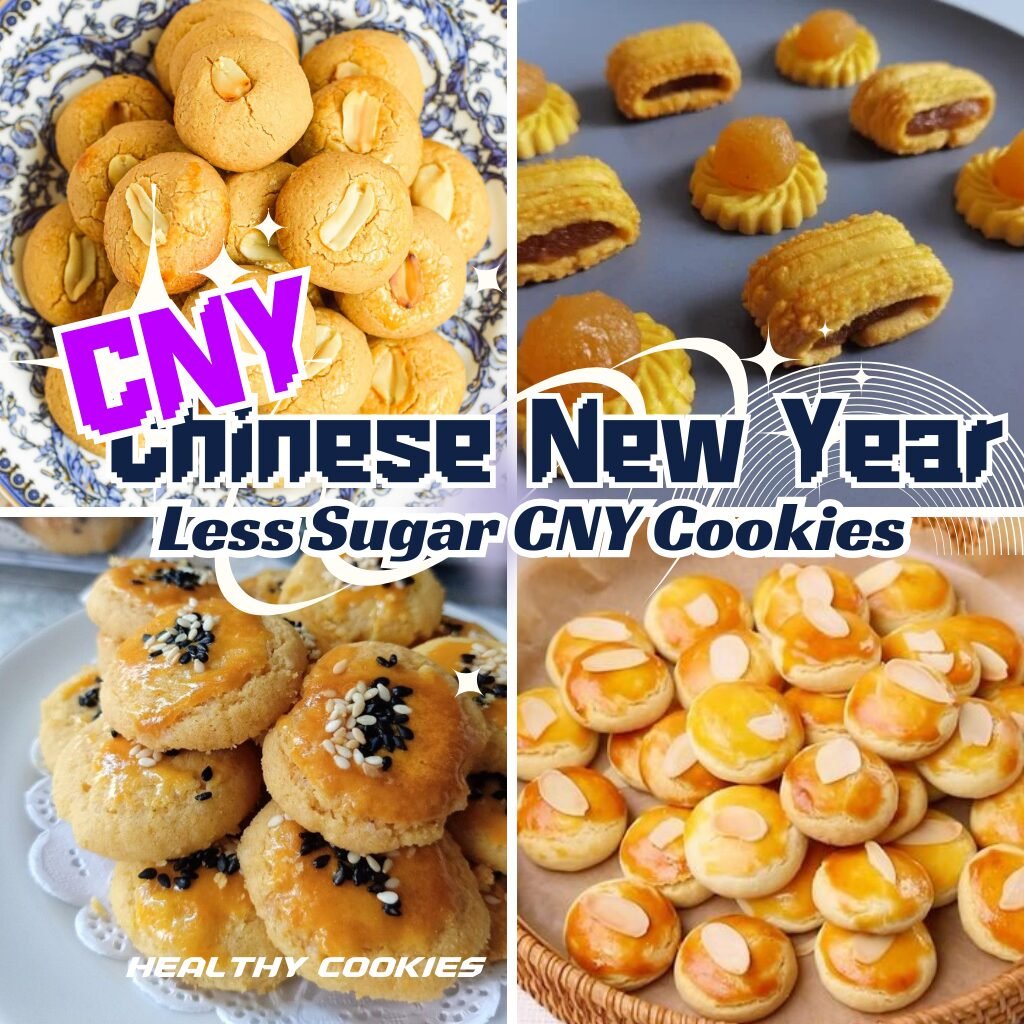





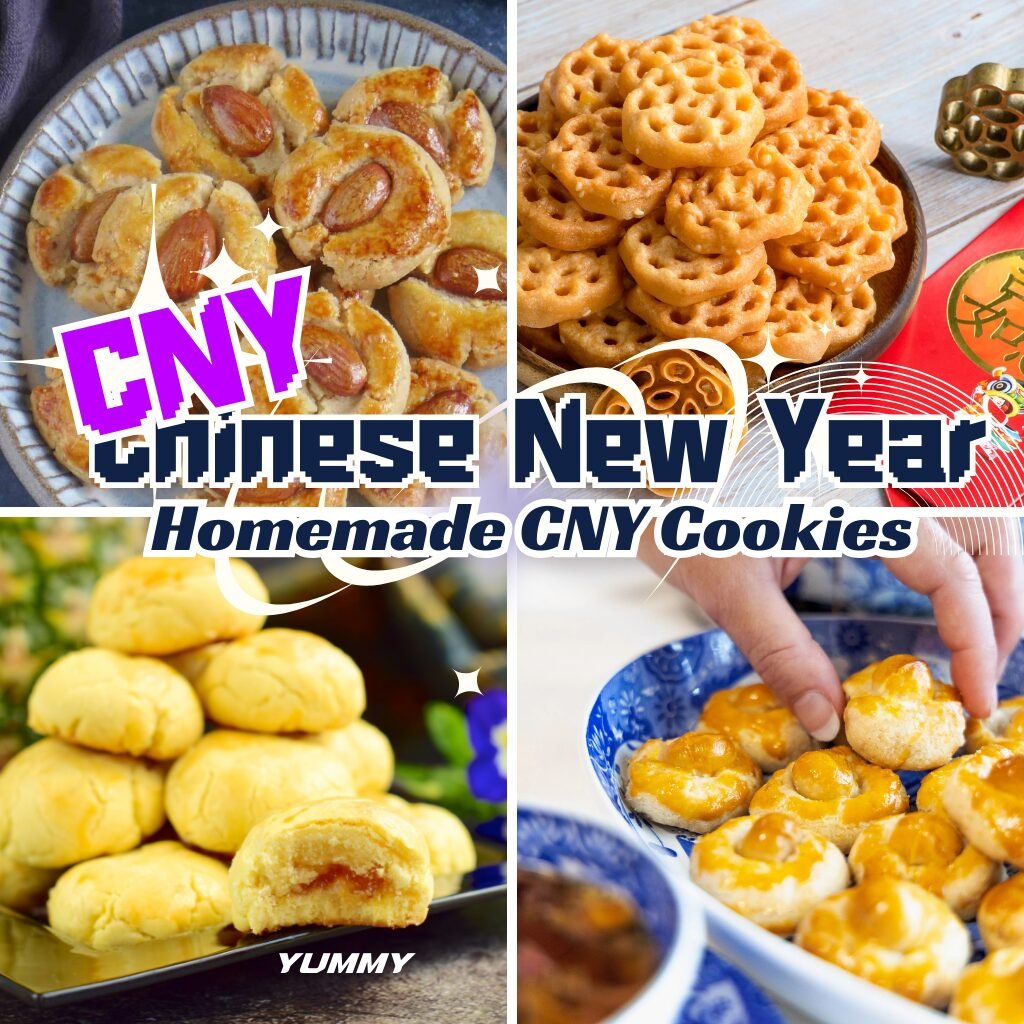
Every time the Lunar New Year approaches, my social media feeds come alive. For instance, on Facebook and Instagram, I always see posts like “Now taking orders!” and “New Year cookies available for pre-order!” Especially those labeled “homemade CNY cookies”—the response is always particularly enthusiastic.
Does that sound familiar to you? Actually, in recent years, more and more people have been returning to home-based sellers for their cookies. In comparison, those beautifully packaged ones in supermarkets sometimes get criticized for “not having that special feel.”
So, why does a simple jar of pineapple tarts or almond cookies feel completely different once it’s labeled “homemade”? Let’s talk about that today. Don’t worry, I’m not trying to sell you anything—just sharing some details you might not have noticed.
“Homemade CNY Cookies” vs. Factory-Made: It’s Not Just About “Hands”
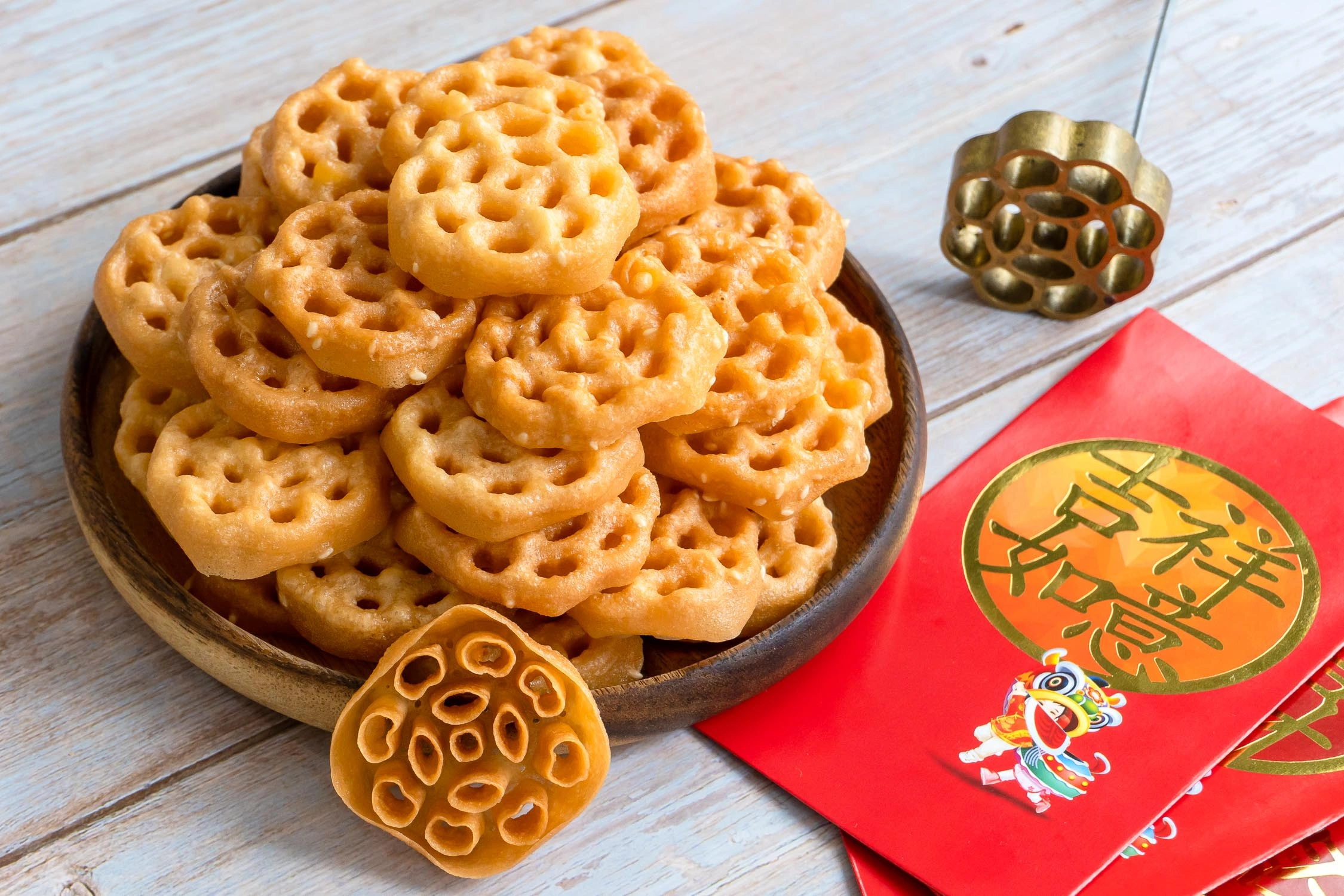
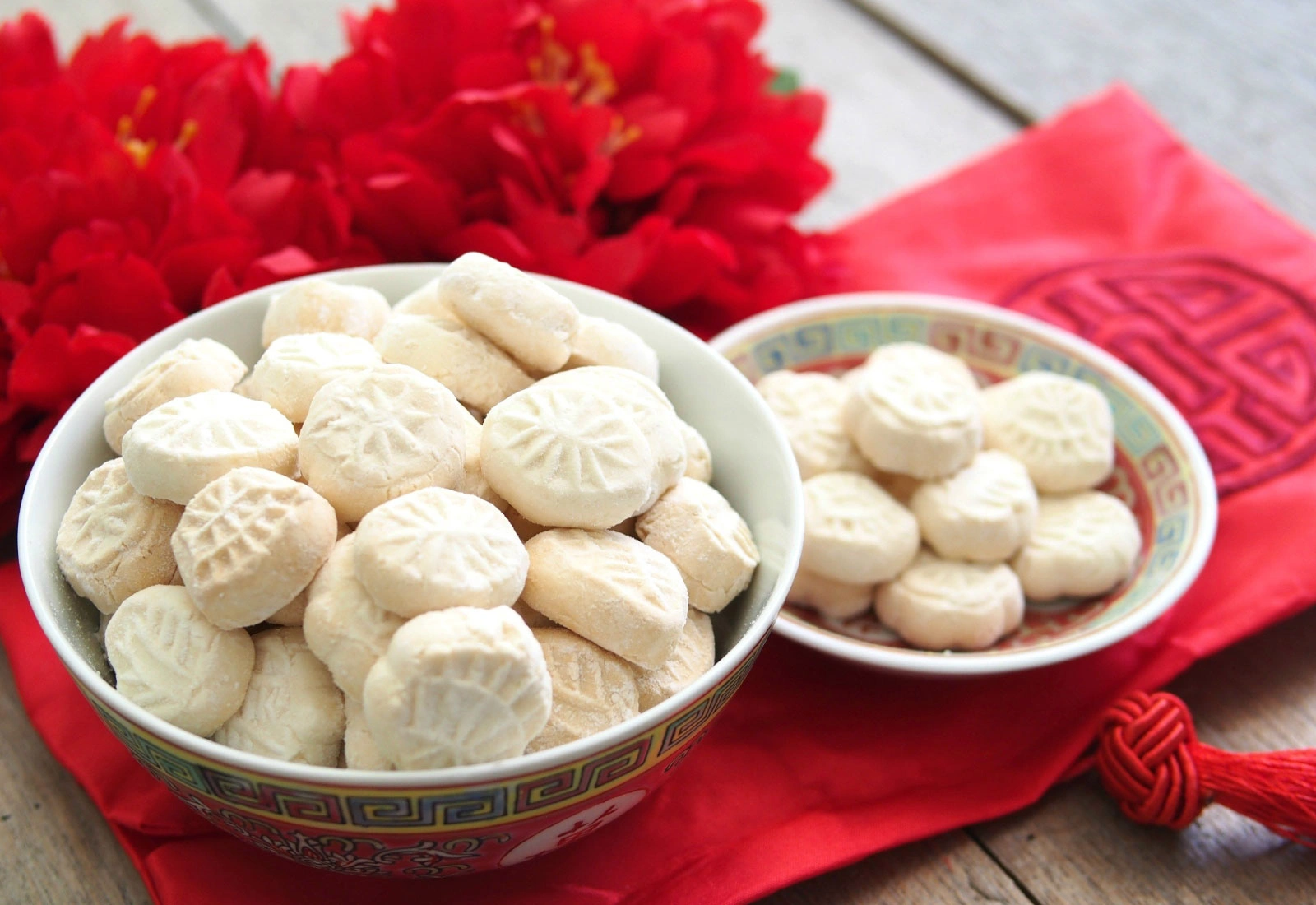
First, when many people hear “handmade,” they picture an aunty slowly preparing treats in the kitchen. That’s certainly true, but if you think the difference is only between “made by hand” and “made by machine,” then you’re thinking too simply.
Put simply, factory-made cookies prioritize consistency above all. That is, the taste, size, and color of every jar must be identical. Their recipes are fixed, and their processes are standardized. This way, they can mass-produce and supply stores nationwide. The result? What you buy this year will taste almost the same as last year’s.
On the other hand, the charm of homemade cookies lies precisely in that touch of “inconsistency.” Because they’re made in small batches, today’s batch might differ slightly from tomorrow’s. For example, oven temperature and the maker’s touch can vary a little each time. Therefore, you might get a cookie or two with a unique shape, or notice the sweet-and-sour balance of the pineapple filling isn’t quite the same.
Interestingly, many people actually prefer this subtle difference. They feel “this is what real food tastes like”—it has warmth, unlike cold, assembly-line products.
The Cost of “No Preservatives”: A Very Short Shelf Life
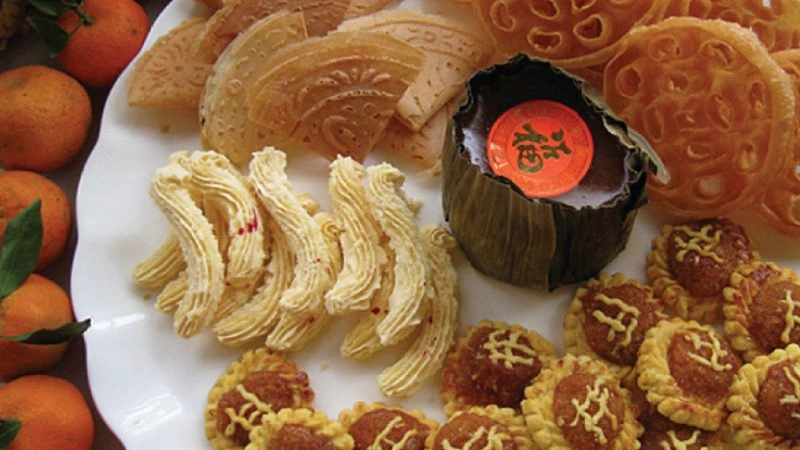
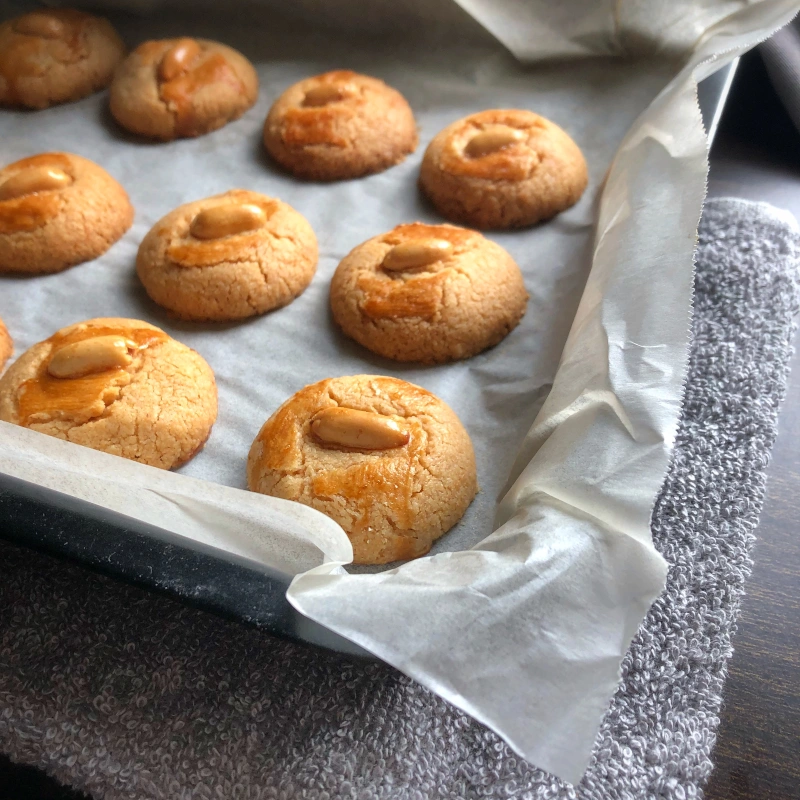
Next, it’s important to note that almost all homemade cookies emphasize “no preservatives” and “freshly made.” This is indeed their biggest selling point. After all, during the New Year, who wants to eat a bunch of chemicals? Whether for yourself or as a gift for elders, everyone cares more about this.
However, there’s a crucial trade-off here: a very short shelf life. The reason is, with no preservatives and real ingredients like pure butter and fresh eggs, these cookies typically “live” only 2 to 4 weeks. Not only that, they must be stored in a cool place, some even requiring refrigeration.
In other words, you’ll never see “shelf life: six months” on homemade cookies. So before buying, you really need to think: Do you want pure ingredients, or longer storage? For instance, if you like to stock up and enjoy them slowly, you’ll need to calculate your consumption rate or ask clearly about the best-before date.
First Time Ordering “Homemade CNY Cookies”: How to Ask Without Awkwardness?
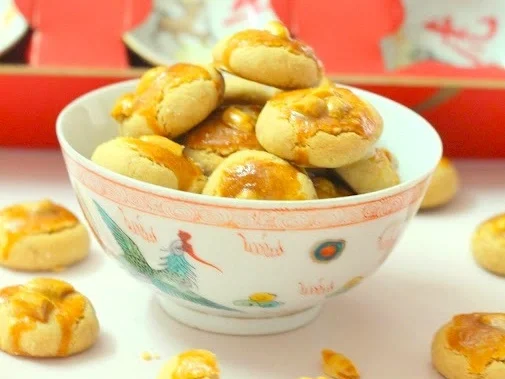
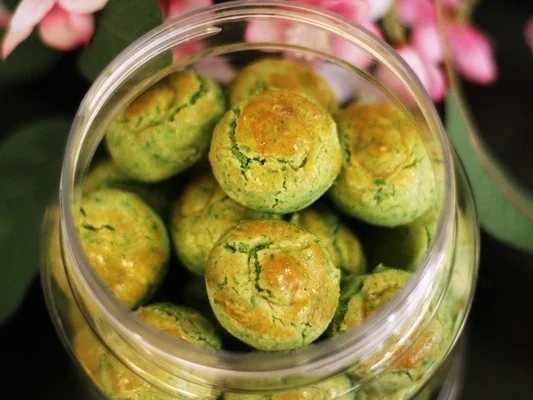
Of course, feeling uncertain when buying from a homemade seller for the first time is normal. After all, you’re not dealing with a big company—how do you judge the quality? Don’t worry, my experience is that asking the right questions can tell you if the seller is reliable.
However, don’t just ask, “Are your cookies tasty?” That’s hard to answer. Instead, you can try asking like this:
- “Are the pineapple tarts pure pineapple filling, or is there winter melon mixed in?”
This relates to texture and cost. After all, pure pineapple filling is more fibrous and costly. - “How long before New Year are the cookies made? Only after orders come in?”
This shows if they’re truly freshly made. In fact, many serious sellers start preparing only after receiving orders. - “Can I use my own container? Are the jars reusable?”
This is because eco-conscious sellers often offer this option. At the same time, it can also show their attitude toward packaging. - “If it’s a gift, can you help include a greeting card?”
This mainly tests service flexibility. Generally speaking, thoughtful sellers are usually willing to accommodate.
In short, confident sellers are happy to answer specific questions. Conversely, if the responses are vague or impatient, you might want to think twice.
What We’re Really Buying Is a Relationship of Trust
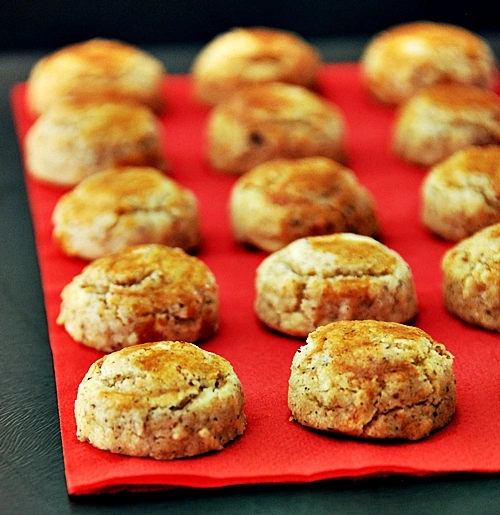
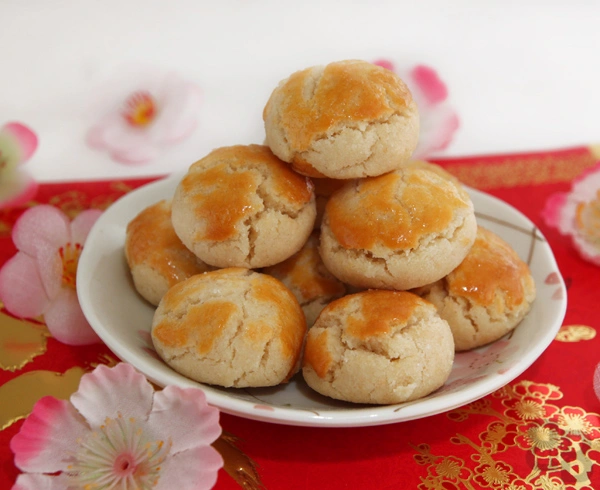
So, Malaysians’ fondness for homemade CNY cookies isn’t just about taste—there’s a psychological layer too. Simply put, we’re buying a direct relationship of trust.
Specifically, you know the maker might live near you. They could even be a friend of a friend. The result? You pay, and they put their heart into making it. This sense of connection is something you simply can’t get from buying cookies at a mall.
More importantly, you’re supporting a neighbor, a small business owner working hard. That unspoken understanding of “I’ll support you, and you won’t let me down” adds a layer of human warmth to the cookies.
We’re Not Just Eating Cookies; We’re Savoring Heartfelt Care
Finally, next time you bite into a homemade almond crisp and hear that “crunch,” besides the buttery, nutty aroma, try to also sense the craftsmanship and care behind it.
In fact, that might just be the most essential ingredient for the New Year.
All in all, the New Year is about joy and togetherness. After all, knowing what you’re eating, who you bought it from, and how it came to be—that sense of satisfaction might just linger longer than mere sweetness.